
December 6, 2025
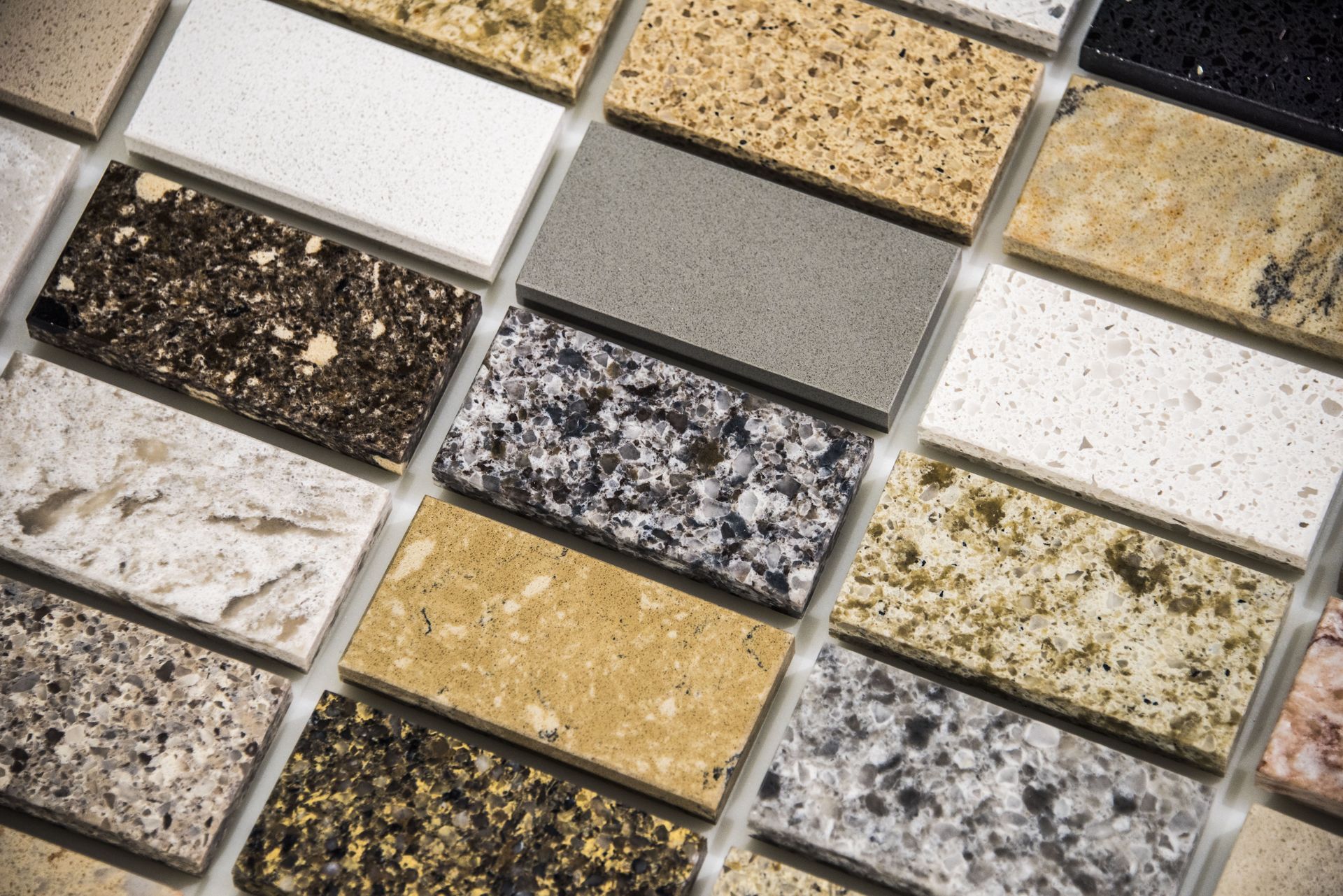
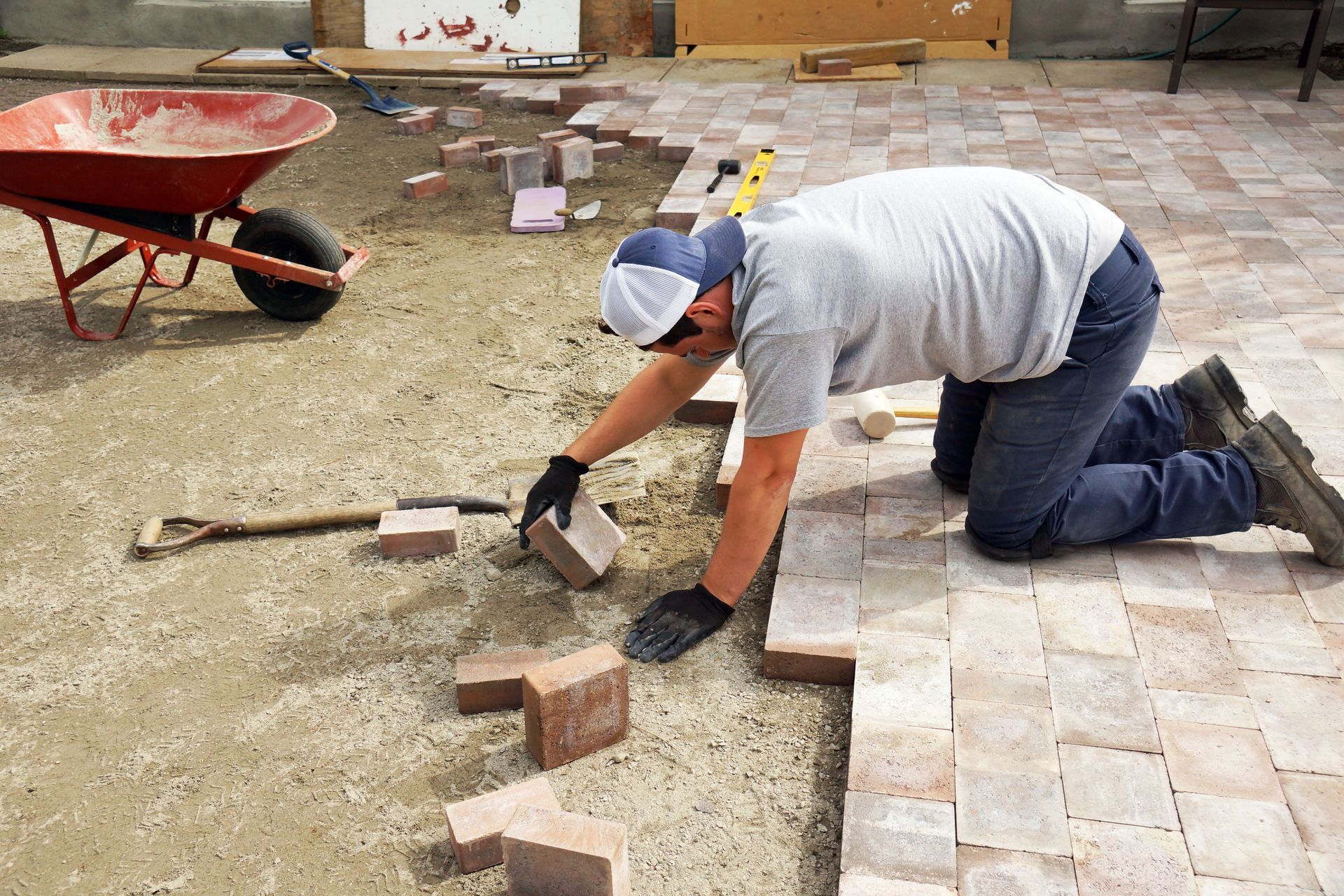
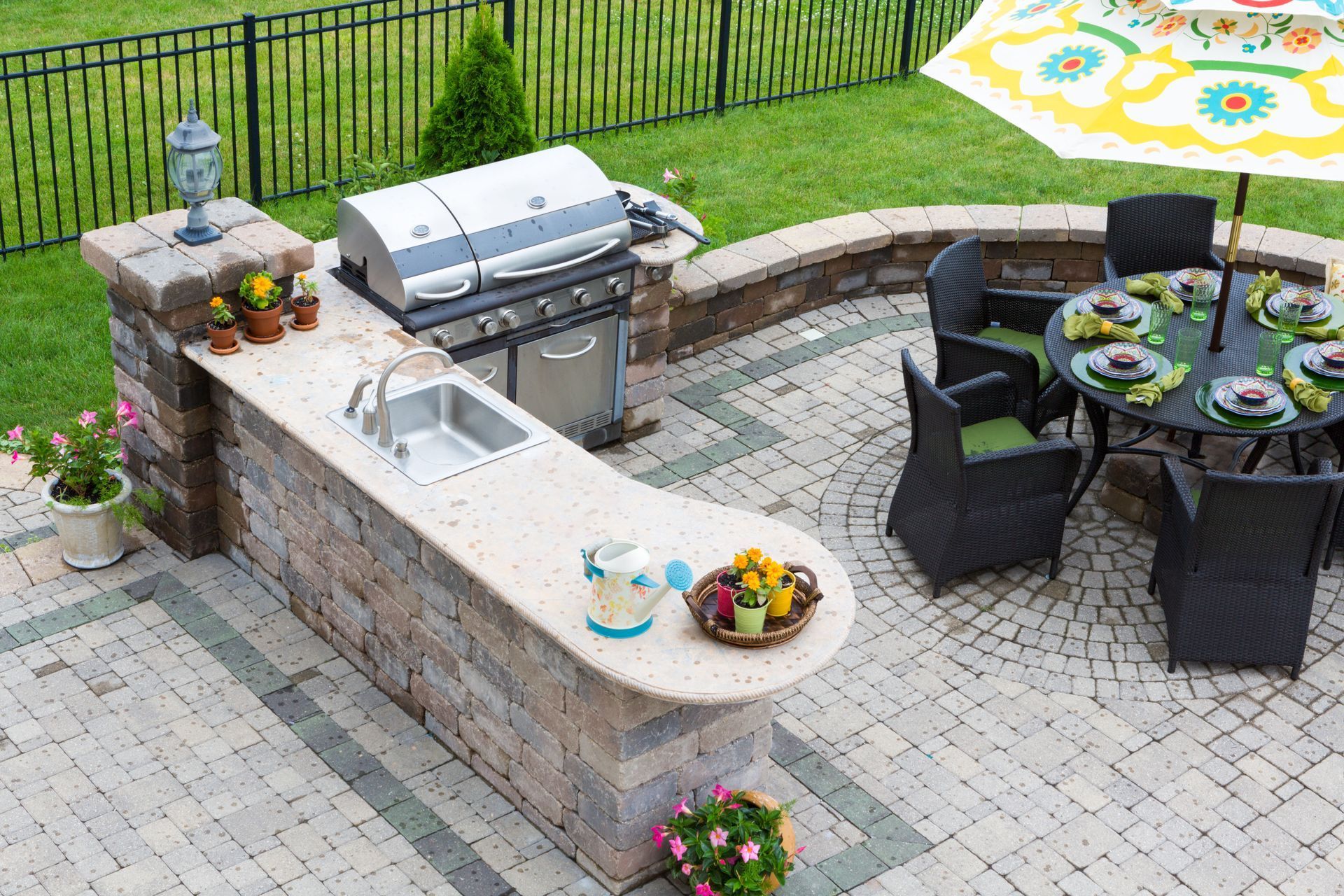
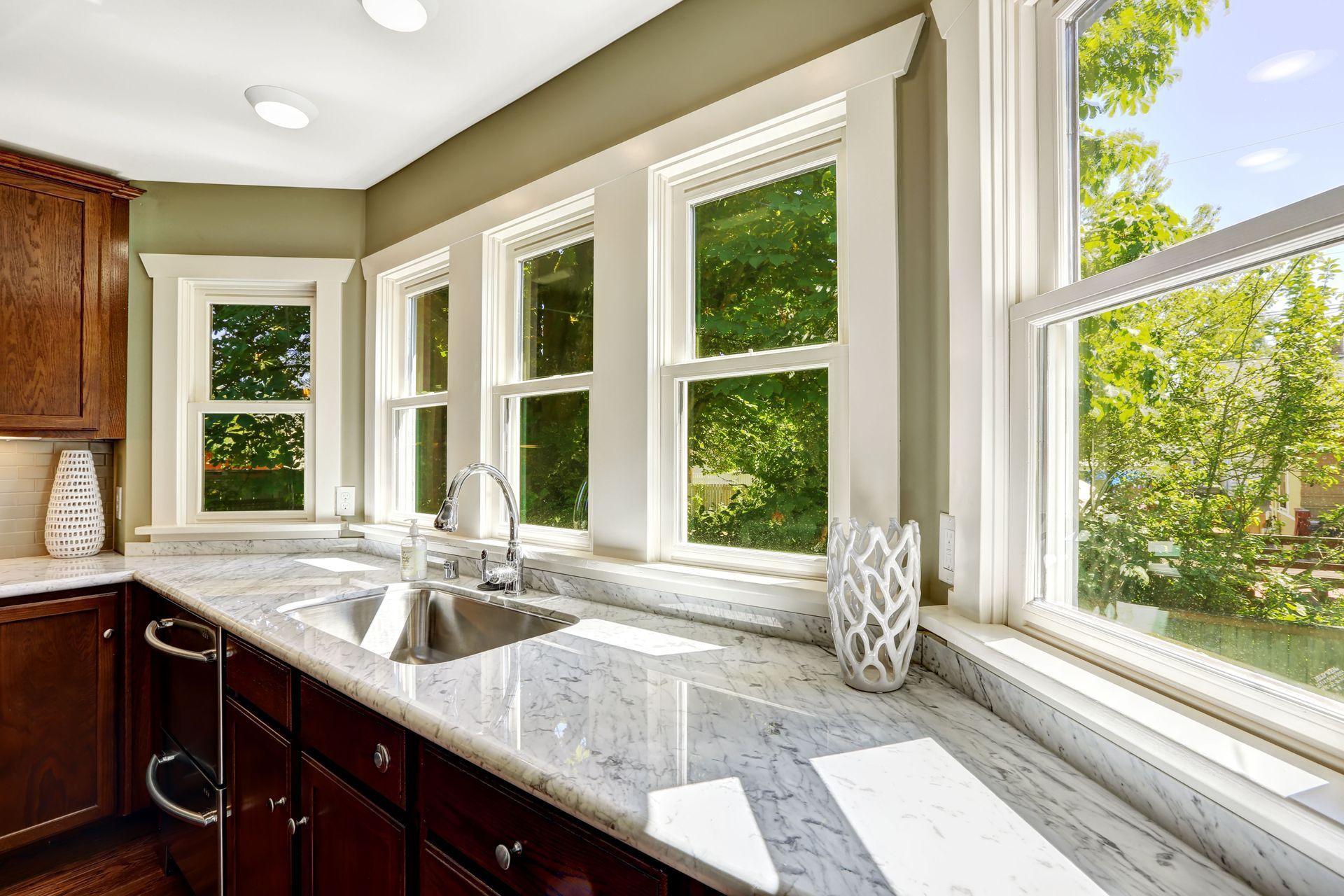
Installing granite countertops is one of the most impactful upgrades you can make in a kitchen or bathroom. Granite remains a top choice for homeowners who want a high-end, long-lasting surface that adds natural beauty and property value. But before you begin a granite counter top install, it's important to understand the details behind the process, such as what affects cost, what affects timelines, what upkeep is required, and how to avoid common mistakes. For homeowners in Cape May County and surrounding areas, La Terra Stone Corporation has been a trusted name in natural stone craftsmanship for more than 30 years. Their extensive experience and personalized service mean you're not just picking a slab. You're choosing a long-lasting surface that suits your lifestyle, your home, and your long-term goals. 1. Knowing the Weight Requirements A successful granite counter top install begins with understanding the structural demands of granite. Granite slabs are extremely heavy, and while most standard cabinetry can support the weight, older or uneven cabinets may require reinforcement. Leveling is especially important; even minor dips or uneven spots in your cabinets can cause stress points in the stone, eventually leading to cracking. La Terra Stone always inspects the underlying structure to ensure your cabinets are ready for installation. This proactive step prevents long-term issues and ensures that the granite sits perfectly flat. Planning ahead here saves time, money, and frustration later. 2. Knowing the True Cost of Installation The financial investment of a granite counter top install includes more than just the slab itself. The cost also covers templating, fabrication, transportation, and professional labor. Additional expenses may arise if your cabinets need reinforcement or if your layout requires multiple seams. According to HomeAdvisor, swapping out kitchen countertops is considered a cost-effective upgrade that can significantly boost home value, delivering a return on investment as high as 98.5%. With granite's durability and timeless appeal, this upgrade becomes even more worthwhile. Working with an experienced team like La Terra Stone ensures your money goes toward a flawless final product and not toward fixing preventable mistakes. 3. Knowing the Importance of Sealing Granite is naturally porous, and sealing is a major part of protecting it. A proper seal helps prevent oils, wine, juices, and household products from penetrating the stone and causing long-term discoloration. For this reason, sealing should always be done immediately after a granite counter top install. Many homeowners are surprised by a key research fact: failure to reseal granite as needed can lead to staining that becomes nearly impossible to remove. This simple but important step is absolutely essential. La Terra Stone ensures your granite is thoroughly sealed before installation is considered complete, and they guide you on how often resealing is necessary based on your lifestyle and cooking habits. 4. Knowing the Best Practices for Cleaning Maintaining granite is easy, but you must use the right products. After your granite counter top install, stick to pH-neutral cleaners or mild dish soap with warm water. Avoid harsh chemicals, bleach, vinegar, ammonia, and abrasive scouring powders, as these can weaken the sealant and dull the stone's finish. Granite is incredibly resilient, but proper care keeps it looking polished and vibrant for decades. Quick cleanup after spills, especially acidic ones like citrus juice or wine, goes a long way in preserving your countertop's shine and integrity. 5. Knowing the Timeline from Template to Finish A professional granite counter top install follows a structured timeline. First, a precise template of your existing cabinetry and layout is created. This ensures the slab is cut to exact specifications for your sink, cooktop, and edges. Once the template is finalized, the fabrication process begins with cutting, smoothing, edging, and custom shaping the granite. After fabrication, the installation crew places the slab, secures seams, checks for levelness, applies adhesive, and completes final polishing and sealing. The full process typically takes several weeks from slab selection to installation day. La Terra Stone guides you through each phase so you always know what to expect and when. 6. Knowing the Risks of DIY Installation Granite installation is not a DIY-friendly project. A single slab can weigh hundreds of pounds, and without proper lifting equipment, the risk of injury is high. Even more concerning, a minor measurement error or uneven placement may ruin an expensive slab. Professional installers handle transportation, carry specialized tools, and understand how to maneuver large pieces safely. They also know how to minimize seams, align veining, and ensure the final layout looks intentional and beautifully continuous. This expertise is why homeowners consistently trust La Terra Stone for their granite counter top install, because precision matters, and mistakes are costly. 7. Knowing the Natural Variation of Granite One of the greatest appeals of granite is its uniqueness. No two slabs are identical, and patterns can vary dramatically, even within the same color family. This is why viewing full slabs in person is so important. Small samples cannot capture how veining, movement, and color transitions appear across a full countertop. During planning, La Terra Stone helps homeowners understand these natural variations so they can choose a slab that aligns with their vision. Decisions about vein direction, seam placement, and edge design all play into the final aesthetic of your kitchen or bathroom. 8. Knowing the Long-Term Durability A professionally executed granite counter top install offers decades of performance. Granite resists heat, scratches, and everyday wear in ways that many synthetic materials cannot. While you should not place hot pots directly on the surface or cut food without a cutting board, granite is far more forgiving than many other countertop options. In addition, granite boosts property value. Potential buyers often prioritize natural stone countertops, making your investment both functional and financially beneficial. La Terra Stone sources high-quality granite that stands the test of time in both durability and design. 9. Knowing the Maintenance Rhythm Although granite is low-maintenance, it does require a consistent care routine to keep it looking its best. As mentioned earlier, sealing is crucial. You can test whether your granite needs resealing by sprinkling a few drops of water on the surface. If the water absorbs within minutes, it's time to reseal. Regular cleaning, avoiding harsh chemicals, and using trivets for hot cookware all contribute to your countertop's lifespan. With proper upkeep, your granite can last a lifetime without losing its shine or structural integrity. 10. Knowing the Value of Choosing a Professional Installer Finally, the most important thing to know before a granite counter top install is that your choice of installer matters just as much as your choice of stone. Granite requires expert handling from the moment it's selected to the moment it's mounted in your home. La Terra Stone's decades of experience, precise fabrication equipment, and commitment to craftsmanship ensure that your countertops aren't just installed. They're installed correctly, beautifully, and built to last. From helping you select the perfect slab to guiding you through sealing and maintenance, their team treats every project with the care and expertise it deserves. A granite counter top install is an investment in beauty, durability, and long-term home value. With the right preparation, maintenance, and expert installation, your granite countertops will perform for decades. Trusting skilled professionals ensures flawless results that elevate your entire space. Reach out to La Terra Stone to begin your project.

Share On: